Key takeaways
- Bitcoin is a digital currency that no bank, government or company controls. People can send it directly to each other over the internet.
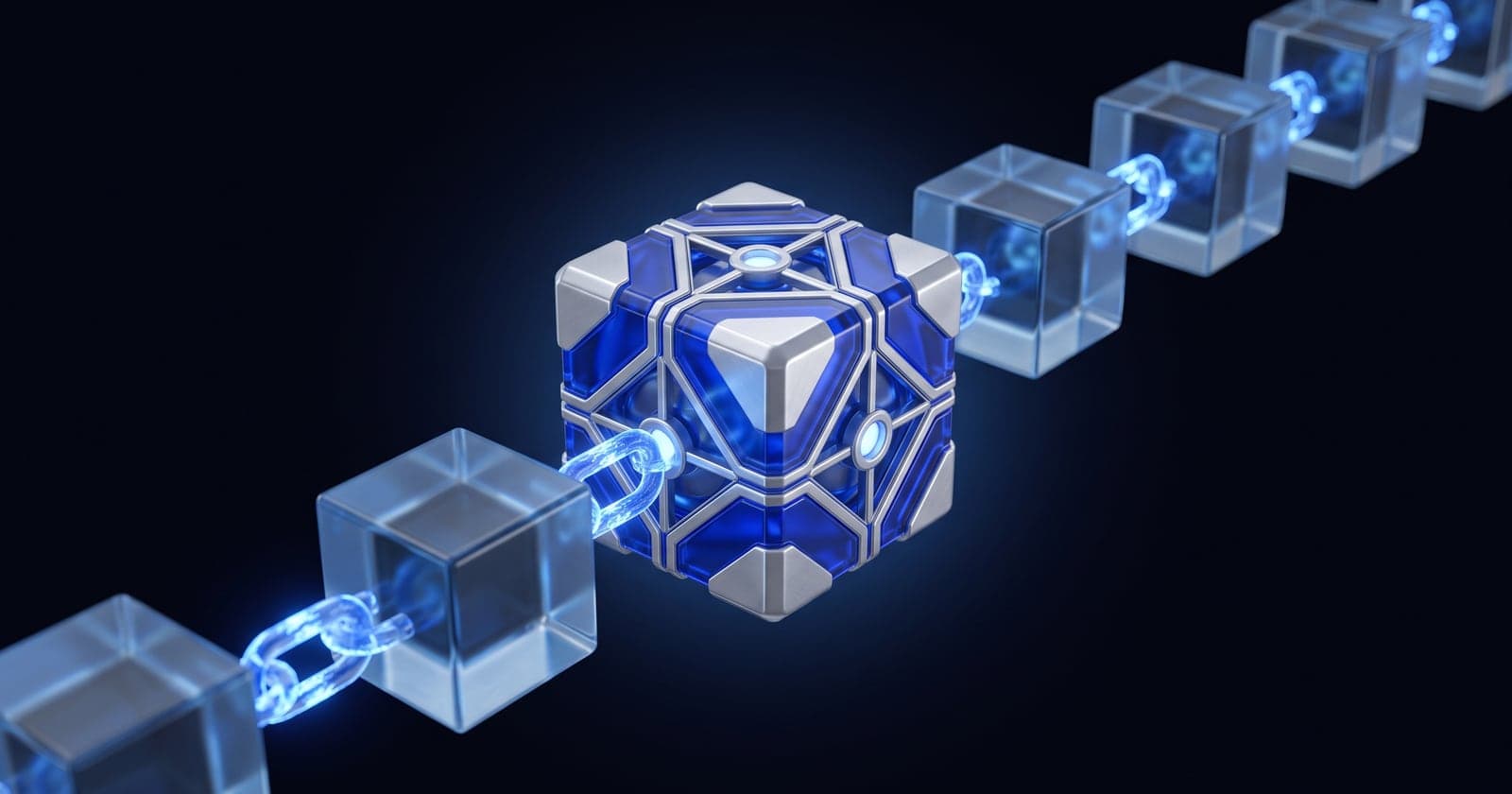
- Every transaction is recorded in a public ledger, the blockchain, kept by thousands of computers around the world.
- There will never be more than 21 million bitcoin. That is why many people see Bitcoin as a kind of digital gold.
- The price of bitcoin swings a lot, so never put in more than you can afford to lose.
Contents
Bitcoin is a digital currency that no central bank issues and no single party controls. You can send bitcoin to anyone, anywhere in the world, without a bank or payment company having to approve it.
Bitcoin was the first CryptocurrencyCryptocurrencyA digital currency secured by cryptography and recorded on a shared ledger, with no bank or government issuing or controlling it. and has always been the largest by market capitalisation. This article explains what Bitcoin is, how it works and what to know before you buy any.
What is Bitcoin?
Think of Bitcoin as cash for the internet. When you hand someone a banknote, no middleman is involved. Bitcoin makes the same thing possible online: you send value directly to another person.
The word is used for two things:
- the Bitcoin network, the system that keeps track of every transaction
- bitcoin, the unit you own and send
One bitcoin is divided into 100 million smaller units called satoshisSatoshi (sats)The smallest unit of bitcoin: one satoshi is one hundred-millionth of a bitcoin, or 0.00000001 BTC.. So you don't need to buy a whole bitcoin. Most people buy a fraction of one, for example ISK 10,000 worth.
How does Bitcoin work?
Your bank keeps the books on who owns what. Bitcoin has no central bookkeeper. Instead there is one shared ledger, the BlockchainBlockchainA public ledger where transactions are grouped into blocks, each linked to the one before, so past records can't be altered without it showing., and thousands of computers around the world each keep a copy of it. These computers are called nodesNodeA computer that runs a crypto network's software, keeps a copy of the blockchain and checks that new transactions and blocks follow the rules..
What happens when you send bitcoin?
- You create a transaction in your crypto walletCrypto walletAn app or device that holds the keys to your crypto and lets you receive, store and send it. and sign it with your private keyPrivate keyA secret number that proves you own the crypto in your wallet. Whoever holds the private key controls the crypto.. The signature proves that the bitcoin you are sending is yours.
- The transaction is broadcast to the network, and the nodes check that it follows the rules.
- Transactions are grouped into a BlockBlockA batch of transactions added to a blockchain in one go, together with a reference to the block before it., and the block is added to the end of the chain. This happens roughly every ten minutes.
- Once your transaction is in a block, it has one ConfirmationConfirmationA sign that a transaction has been included in a block; each new block added on top counts as one more confirmation and makes it more secure.. Each new block added on top adds another and makes the transaction more secure.
Once a transaction is in the blockchain, it can't be changed or reversed. That is a strength, but it also means mistakes can't be undone. If you send bitcoin to the wrong addressWallet addressA string of letters and numbers you give out to receive crypto, much like a bank account number., you won't get it back.
Where do new bitcoins come from?
New bitcoins are created through MiningMiningThe process in which computers compete to solve a puzzle so they can add the next block to the blockchain and earn new bitcoin and fees.. Miners compete to solve a mathematical puzzle with powerful computers. The first to solve it adds the next block to the chain and is rewarded with new bitcoin, plus the network feesNetwork feeA fee paid to a crypto network, not to a bank or company, for including your transaction in a block. in that block.
This method is called proof of workProof of workA consensus method where the right to add the next block to a blockchain goes to whoever first solves a hard computing puzzle.. It makes faking transactions extremely expensive, because a cheat would need more computing power than everyone else combined. Read more about mining.
Who created Bitcoin?
Bitcoin was introduced in 2008 in a short paper, the Bitcoin WhitepaperWhitepaperA document in which the creators of a cryptocurrency or project describe how it works, what it is for and which rules apply to it., published under the name Satoshi NakamotoSatoshi NakamotoThe pseudonym of Bitcoin's creator, who published the Bitcoin whitepaper in 2008, launched the network in 2009 and disappeared soon after.. The first blockGenesis blockThe first block in a blockchain; Bitcoin's genesis block was created on 3 January 2009 and contains a headline from The Times. was created on 3 January 2009.
Nobody knows for certain who Satoshi Nakamoto is, or whether it was one person or a group. Satoshi stopped taking part in development around 2011. Bitcoin is open-source softwareOpen sourceSoftware whose source code is open to everyone, so anyone may read it, use it, change it and share it. developed by programmers around the world, and no single party can change the rules of the system.
Why will there only ever be 21 million bitcoin?
Bitcoin's rules say there will never be more than 21 million bitcoin. That is Bitcoin's maximum supplyMaximum supplyThe largest number of units of a cryptocurrency that can ever exist under its rules, such as 21 million for bitcoin., and nobody can change it on their own.
About every four years, the number of new bitcoins miners receive for each block is cut in half. This is called the HalvingHalvingThe event roughly every four years when the number of new bitcoin that miners receive for each block is cut in half.. Issuance keeps slowing down, and the last bitcoin will be created around the year 2140.
Traditional currencies work differently. Central banks can increase the money supply, and InflationInflationA general rise in prices over time, which means each króna buys less than before. erodes the value of money over time, as anyone who has lived in Iceland knows. The fixed supply is one of the main reasons many people see Bitcoin as a store of valueStore of valueAn asset that keeps its purchasing power over a long time, so it can be saved now and used later, as gold has done for centuries.. Read more about why Bitcoin has value.
What is Bitcoin used for?
- Saving. Many people buy bitcoin to hold for the long term rather than to spend.
- Payments across borders. Bitcoin can be sent anywhere in the world, at any time of day.
- Payments in shops and online. Some merchants accept bitcoin, often through the Lightning NetworkLightning NetworkA payment network on top of Bitcoin that makes bitcoin payments almost instant and cheap, without recording each payment on the blockchain., which makes small payments fast and cheap.
Is Bitcoin safe?
The Bitcoin network has run since 2009 without anyone managing to counterfeit bitcoin or alter recorded transactions. The risks lie elsewhere:
- The price swings a lot. The price of bitcoin has repeatedly fallen by more than half within a few months. Read about VolatilityVolatilityHow much and how quickly the price of an asset moves up and down. and the risks of crypto.
- The keys are everything. Whoever has the private key controls the bitcoin. If you lose it, or someone else gets hold of it, the bitcoin is gone.
- Scams are common. Scammers often use bitcoin as bait, for example with promises of quick profits. Learn about the most common crypto scams.
How do I get bitcoin?
In Iceland, the simplest way is to buy bitcoin with krónur from a crypto exchangeCrypto exchangeA company or platform where you buy, sell and swap crypto, for example with krónur.. Make sure it is licensed, by the Central Bank of Iceland or a regulator in another EEA country. Myntkaup holds such a licence as a crypto-asset service provider (CASPCASP (crypto-asset service provider)A company licensed under MiCA to provide crypto-asset services, such as buying, selling, custody or transfers.). The article How to buy crypto in Iceland walks through the process step by step.
Frequently asked questions
Do I need to buy a whole bitcoin?
No. One bitcoin is divided into 100 million satoshis, and you can buy any fraction, even for a small amount.
Can anyone shut down the Bitcoin network?
It would be extremely hard. The network runs on thousands of computers in many countries, and no single party controls it. Governments can, however, regulate how people buy and sell bitcoin, as Iceland and the rest of the EEA have done with MiCAMiCAThe EU regulation on markets in crypto-assets, in force in Iceland since 1 January 2026, which sets the same rules for crypto services across the EEA..
Is Bitcoin anonymous?
Not entirely. Every transaction is public, and anyone can look them up in a block explorerBlock explorerA website where anyone can look up transactions, wallet addresses and blocks on a blockchain.. Names don't appear there, but when you buy bitcoin from a regulated provider you have to verify your identity.
How is Bitcoin different from other cryptocurrencies?
Bitcoin was the first cryptocurrency and has the largest market capitalisationMarket capitalisationThe total value of all units of a coin in circulation, calculated as the price of one unit times the number of units.. Other cryptocurrencies, often called altcoinsAltcoinA catch-all term for every cryptocurrency other than bitcoin, short for "alternative coin"., have different goals. Ethereum, for example, is designed to run applications. See Bitcoin vs Ethereum: what is the difference?
Closing thoughts
Bitcoin is a digital currency that no single party controls, with a fixed and limited supply. That is what sets it apart from the króna and other traditional currencies.
If you are thinking of buying bitcoin, remember that its price swings a lot and that the responsibility for buying is always yours. Learn the basics and the risks first.